Training
Training is what keeps a team usable under pressure
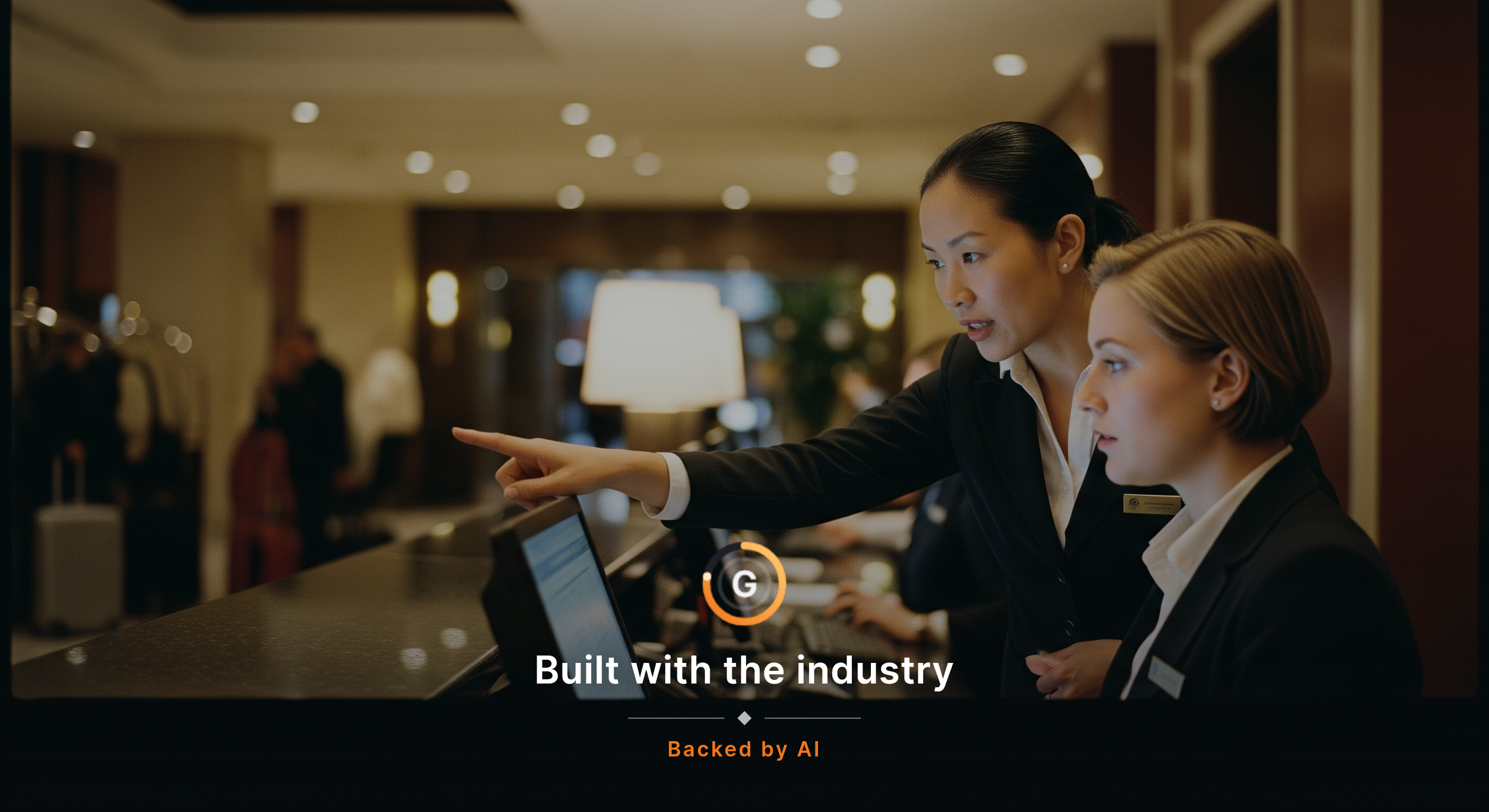
A hotel can look calm to guests while the team absorbs shock after shock. The training system beneath that calm is what keeps service usable.
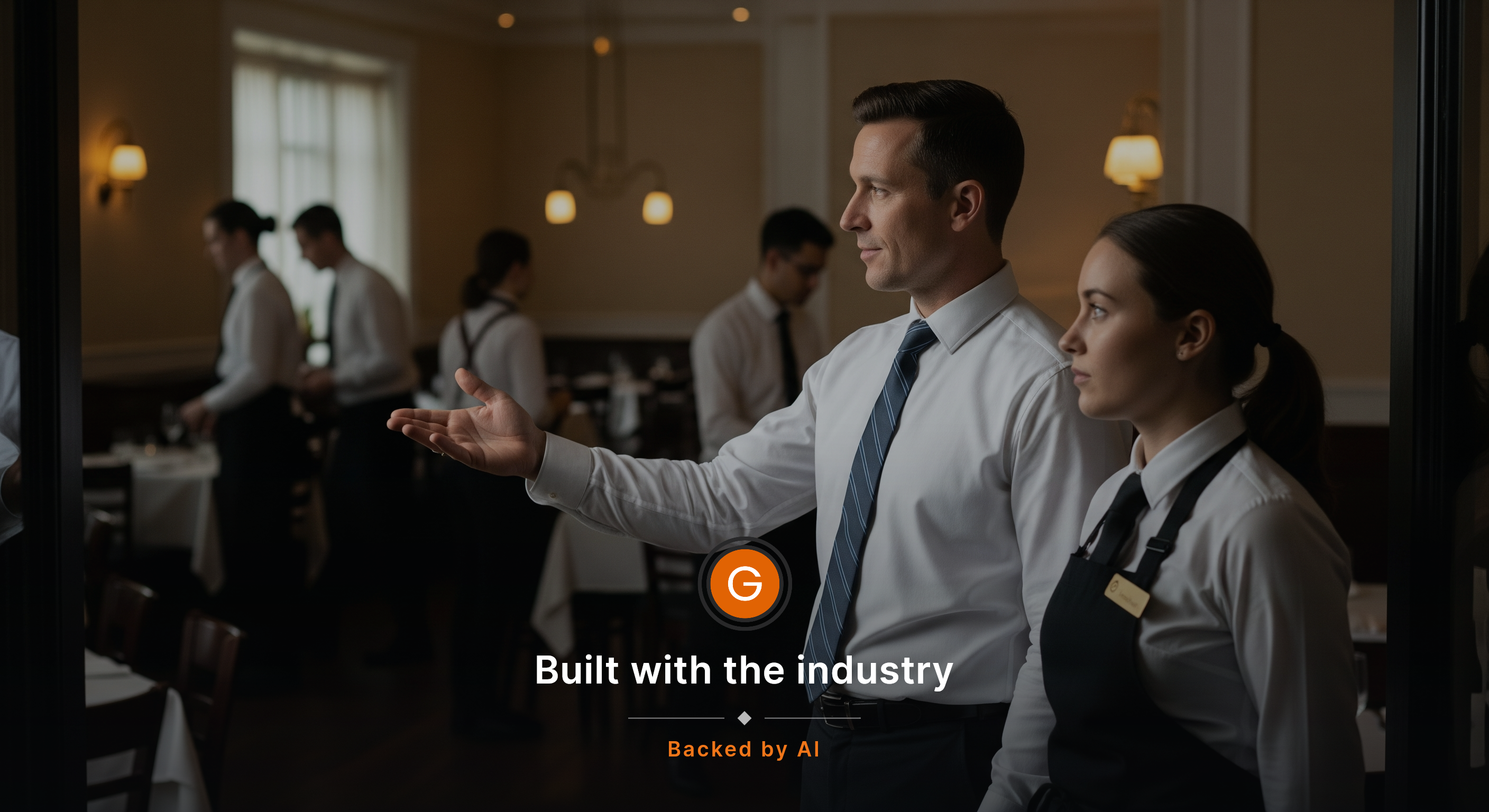
Two restaurants can have the same week, same sales pressure, same stack of callouts, and come out looking like different trades. In one, the new host gets steadier by Friday, the line stops shouting over the same allergy mistake, and pre-shift gets shorter because people already know the drill. In the other, every shift feels like starting over, and everybody goes home feeling like they worked hard for nothing.
What is changing now is not just how restaurants collect information, but how fast they can turn what the floor already knows into something teachable. A recent piece in MIT Sloan Management Review argued that companies are using retrieval-augmented generation, or RAG, to combine large language models with their own internal customer knowledge, and it warned that the value depends on the quality of the underlying information and governance around it. Training quality follows the same rule.
Training gets better when restaurants can turn lived floor knowledge into repeatable instruction.
That is the dividing line between the two restaurants.
Restaurant A has the same pain as everyone else. A server gets triple sat because the host panics at the door. The bartender makes the birthday dessert call too late. The fryer station keeps getting hit with mods that were spoken once and never repeated. None of this is dramatic on its own. It is just the usual pileup of little misses that make a shift feel heavier than it should. But after service, somebody captures what actually happened. Not a long essay, just the real note. Seat slower when the bar printer is backing up. Birthday desserts get marked the second drinks land. Allergy call goes from server to expo and back to server, every time. By next week, the green host is not relying on memory alone. They are stepping into patterns the team already named.
Restaurant B also cares. That part matters. The manager is not lazy, the staff is not unserious, and nobody is trying to run a sloppy room. But the learning stays trapped inside whoever survived the shift. One strong closer knows how to stagger seating by feel. One veteran server knows which regular wants to be left alone for the first ten minutes. One line cook knows which prep shortcut is safe and which one ruins the station at 8:15. When those people are off, the place trains by folklore. Every new hire gets a different version of the job.
That split matters more than ever because the trade still has almost no extra bandwidth. Gallup's State of the Global Workplace 2024 reported that managers account for 70 percent of team engagement variance. On a floor, that does not read like an abstract leadership point. It reads like whether the new busser gets one clear way to reset a six-top, or three conflicting ones before 6:30. It reads like whether pre-shift is where people get calmer, or where they get six reminders and no usable picture of the night.
And the labor reality underneath this is still unforgiving. The U.S. Bureau of Labor Statistics JOLTS data has shown accommodation and food services quit rates running among the highest of any major sector, including 4.5 percent in May 2024. We all know what that looks like on the ground. The cook who started in February is gone by April. The host promised 32 hours got scheduled 18 and took another job. The server who would have been your best trainer is now covering doubles because two people vanished from the roster. In that environment, training cannot depend on one heroic manager remembering everything.
The useful part of the MIT Sloan Management Review piece is not the technology language on its own. It is the reminder that better outputs depend on better retrieval. If the only knowledge a restaurant can retrieve is whatever the loudest person remembers after a bad Friday, training stays shaky. If the restaurant can retrieve what guests complained about last Mother's Day, what the team changed after it, and what actually worked on the next holiday, then training starts to feel less like repeated improvisation and more like craft.
This is where the floor lens matters. The missing variable is not effort. It is whether the restaurant has a habit of converting moments into instructions.
At 4:45, that looks like a lead host showing a new host the exact pause before seating a third party into one server's section. At 5:20, it looks like a sous chef correcting the garnish handoff the same way every time, not differently depending on stress. At 7:10, it looks like a manager hearing the same guest confusion about modifiers for the third time that week and changing the line they use in lineup tomorrow. Good training is not a binder on a shelf. It is a loop between what happened, what it meant, and what the next person will do with it.
And for the people actually on the floor, this matters because bad training always lands on your body first. It is the host freezing at the stand while six people stare. It is the server doing apology laps because nobody taught the handoff at shift change. It is the line cook getting blamed for a ticket that came in wrong three stations earlier. When training is solid, you still work hard, but the work starts to feel fair. You are not spending half your shift decoding everybody else's private system.
Operators know this feeling too. There is a clean kind of pride in watching a once-green host run a waitlist with composure, or seeing a new server catch an allergy detail because the team taught the checkback properly. That pride is not soft. It is operational. It means the restaurant learned something and kept it.
The sharper truth is this, restaurants do not get stronger from having more information, they get stronger from teaching the same hard-won lesson twice.
This week, pick one repeated mistake that shows up across roles, maybe a bad handoff, a seating pileup, or a modifier miss, and turn it into a two-sentence training standard that every lead uses before the weekend. If three different trainers explain it three different ways, you do not have a people problem yet. You have a training problem.
Training
A hotel can look calm to guests while the team absorbs shock after shock. The training system beneath that calm is what keeps service usable.
Training
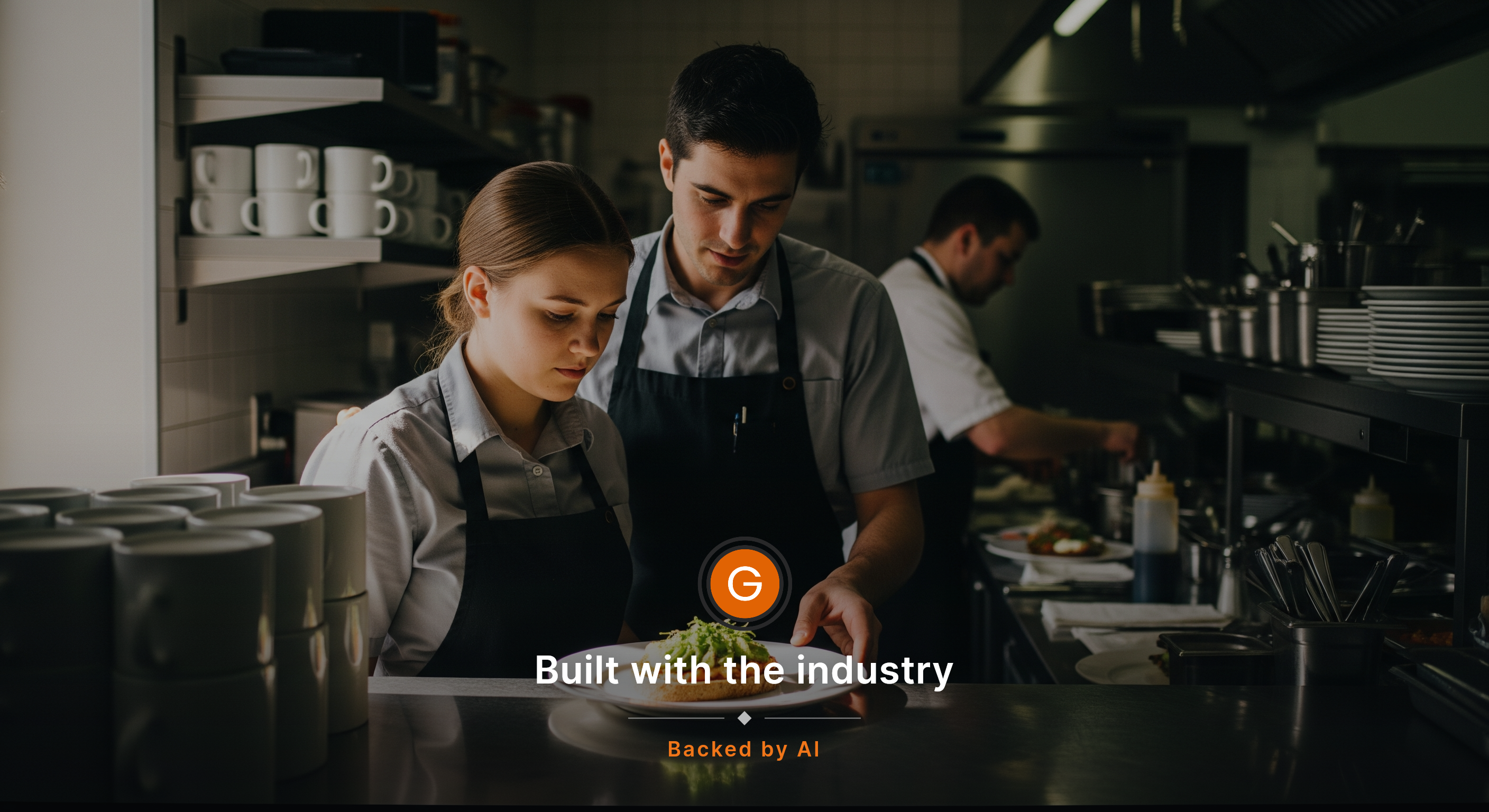
Seasonal menu launches are training tests in disguise. If the floor cannot explain, ring, pace, and recover the item, the promotion adds strain, not sales.