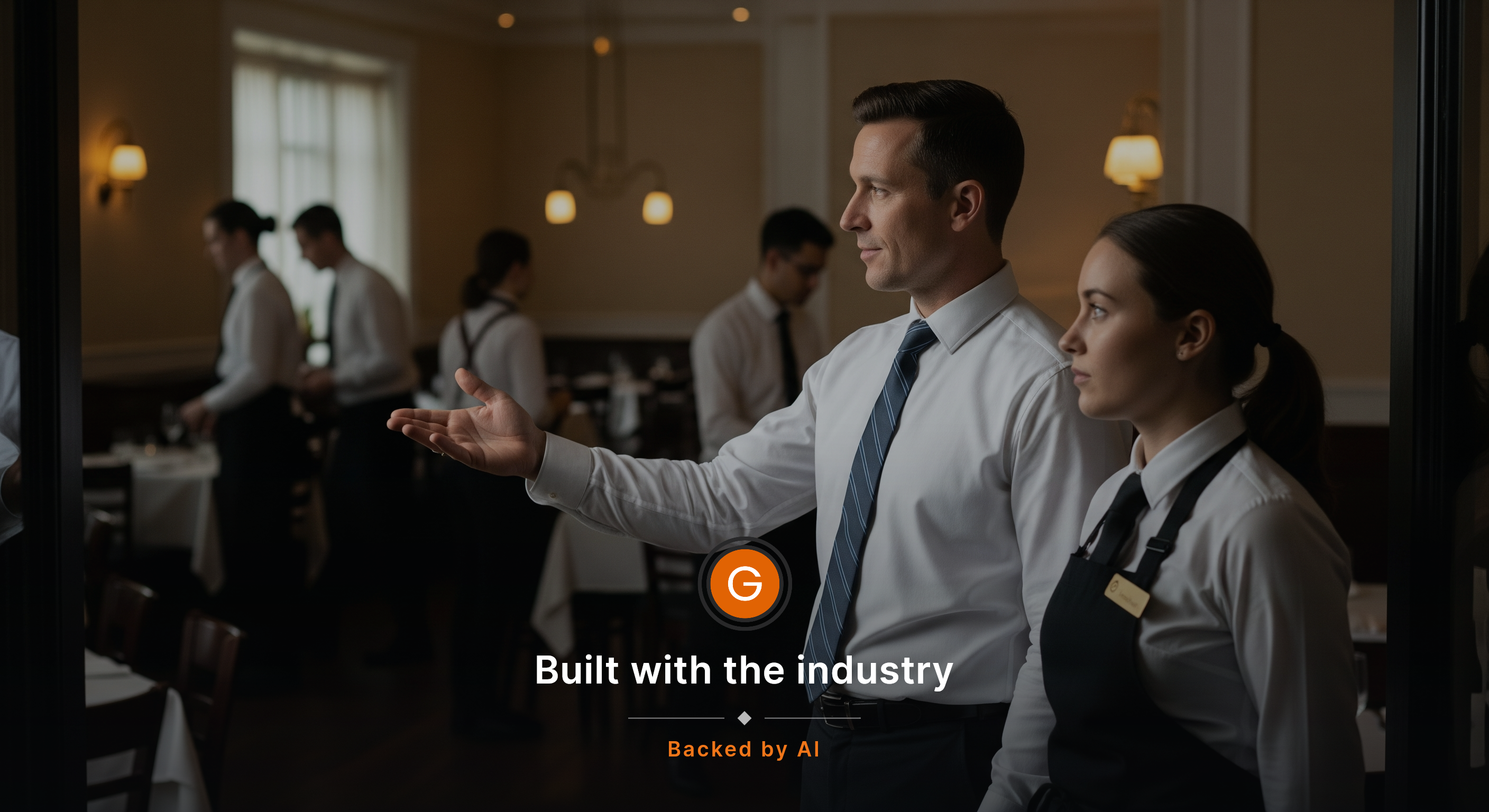
Training
Why One Restaurant Trains Through Change and Another Just Repeats It
Two restaurants face the same pressure and get different results. The gap is not effort, it is whether training turns daily insight into repeatable action.
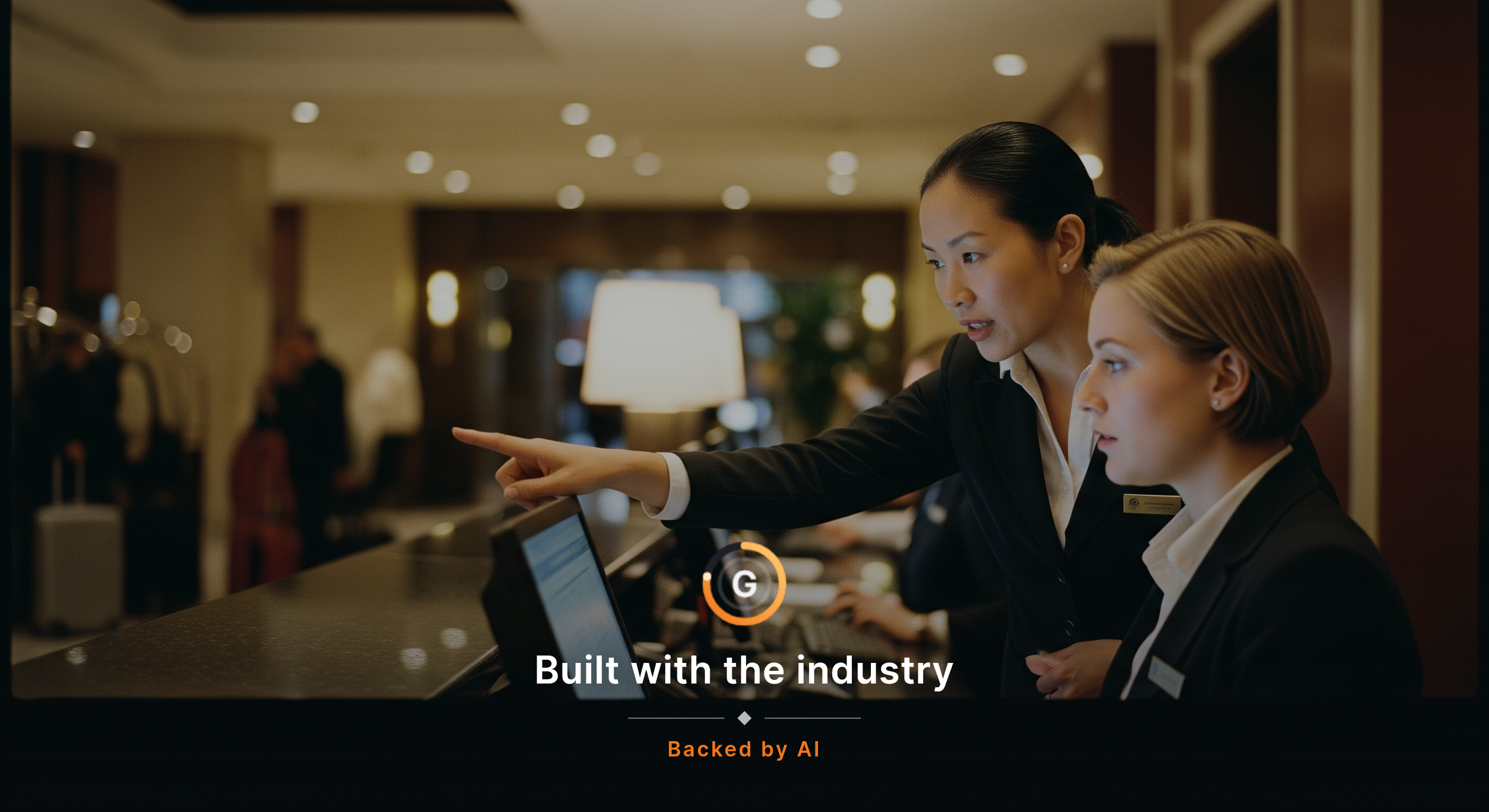
The lobby can be quiet and still feel heavy. A front-desk agent is covering one more question than usual, a supervisor is rewriting breaks on the fly, and a new starter is watching everyone closely, trying to learn what matters here without asking the wrong thing at the wrong time.
That is where a lot of training really happens, not in the binder, not in the orientation deck, but in the moments when the operation is under strain and the team is deciding what gets protected. What is changing across hospitality is that more leaders are finally talking about training as an operating system for instability, not just a way to onboard new hires. Training is crisis infrastructure.
That is the clearest lesson we took from a recent piece in Hospitality Net on the David Kempinski Tel Aviv. In that interview, published in 2025, GM Guy Klaiman describes staying operational through COVID and the post-October 7 period while prioritizing staff welfare, cultural investment, and adaptive leadership, and he says the hotel still broke performance records. The headline is resilience. The deeper operational point is that resilience does not appear on the day things go wrong. It gets trained in, handoff by handoff, standard by standard, and manager by manager.
That matters because the visible thing the guest sees, the calm check-in, the breakfast buffet reset, the banquet room turning on time, sits on top of an invisible training system. If the guest experience holds together after a week of callouts, demand swings, and exhausted managers, it is usually because someone built repeatable ways for people to step into the gap. Not perfectly, not painlessly, but usefully.
Gallup's State of the Global Workplace has repeatedly made the management point plain. In the 2024 edition, Gallup said managers account for 70 percent of the variance in team engagement. In hospitality terms, that means a lot of what workers experience as a "good property" or a "bad place to work" is actually the quality of daily direction, coaching, and follow-through. Not charisma. Not posters in the break room. The shift lead who slows down for 90 seconds to show the new housekeeper the room-release sequence. The restaurant manager who teaches the host what to say when three tables insist they were quoted the same wait time. The banquet captain who turns a near miss into tomorrow's pre-shift note instead of tonight's blame session.
We also have to be honest about what breaks first. Under pressure, teams stop teaching. The experienced server says, "I got it," because explaining takes too long. The night auditor skips the walkthrough because arrivals are stacking up. The sous chef corrects plating with a grab and a glare because eight tickets just landed. Every one of those choices is understandable. Taken together, they quietly train panic, silence, and dependency.
That is why the strongest training systems are not the most elaborate. They are the ones that survive a hard Tuesday. MIT Sloan Management Review has argued that organizations need leaders who can build adaptability as conditions change, not cling to fixed routines for a world that no longer exists, a point echoed across its leadership coverage on learning and change under pressure. In hospitality, that looks very practical. Can a runner become a useful expediter for 20 minutes with clear guardrails? Can a room attendant flag an out-of-order issue in the right sequence without hunting for the right person? Can the bar team explain a station reset the same way, every time, even when the music is up and covers are coming in hot?
The Hospitality Net interview points toward culture and welfare, and that is right. But the lever we would emphasize even harder is teachability inside the shift. Staff welfare is not separate from training. It is training. A team burns out faster when every unusual situation has to be solved from scratch, by memory, by force of personality, or by whoever happens to be strongest that day. A team lasts longer when people know the next step, know who owns the decision, and know what "good enough for now" looks like when the ideal plan is gone.
For operators, this means the standard is not whether training exists on paper. The standard is whether a person with 10 days on the job can still function when the operation stops behaving nicely. If they cannot, the issue is usually not their attitude. It is that the knowledge still lives in veterans' heads. And veterans carrying everything in their heads is not a culture, it is a liability.
For frontline teams, especially the newer ones, none of this means you should have to read minds. If you are the host getting triple-seated, the room attendant catching a missed maintenance note, the commis chef trying to follow a station that changes with every trainer, confusion is not a personal failure. It is often the signal of a system that has not named its priorities clearly enough yet. Good teams are not the teams with no stress. They are the teams where stress does not erase instruction.
There is pride in that kind of place. Not the polished kind people put into recruitment copy. The real kind. The kind where a property stays open, service stays decent, and people keep each other steady through conditions nobody would choose. Guests may never see the system underneath. They just feel that the place still works.
Training is not a class you finish before the real work starts, it is the structure that lets real work continue when conditions turn against you.
One concrete thing to do this week, take one role that gets stretched during disruption, host, front desk, breakfast lead, housekeeping supervisor, and write a one-page "when the shift goes sideways" guide with three priorities, three handoffs, and three phrases the person can use. Then test it on a real shift. If it only works when the manager is standing beside them, it is not training yet.
Training
Two restaurants face the same pressure and get different results. The gap is not effort, it is whether training turns daily insight into repeatable action.
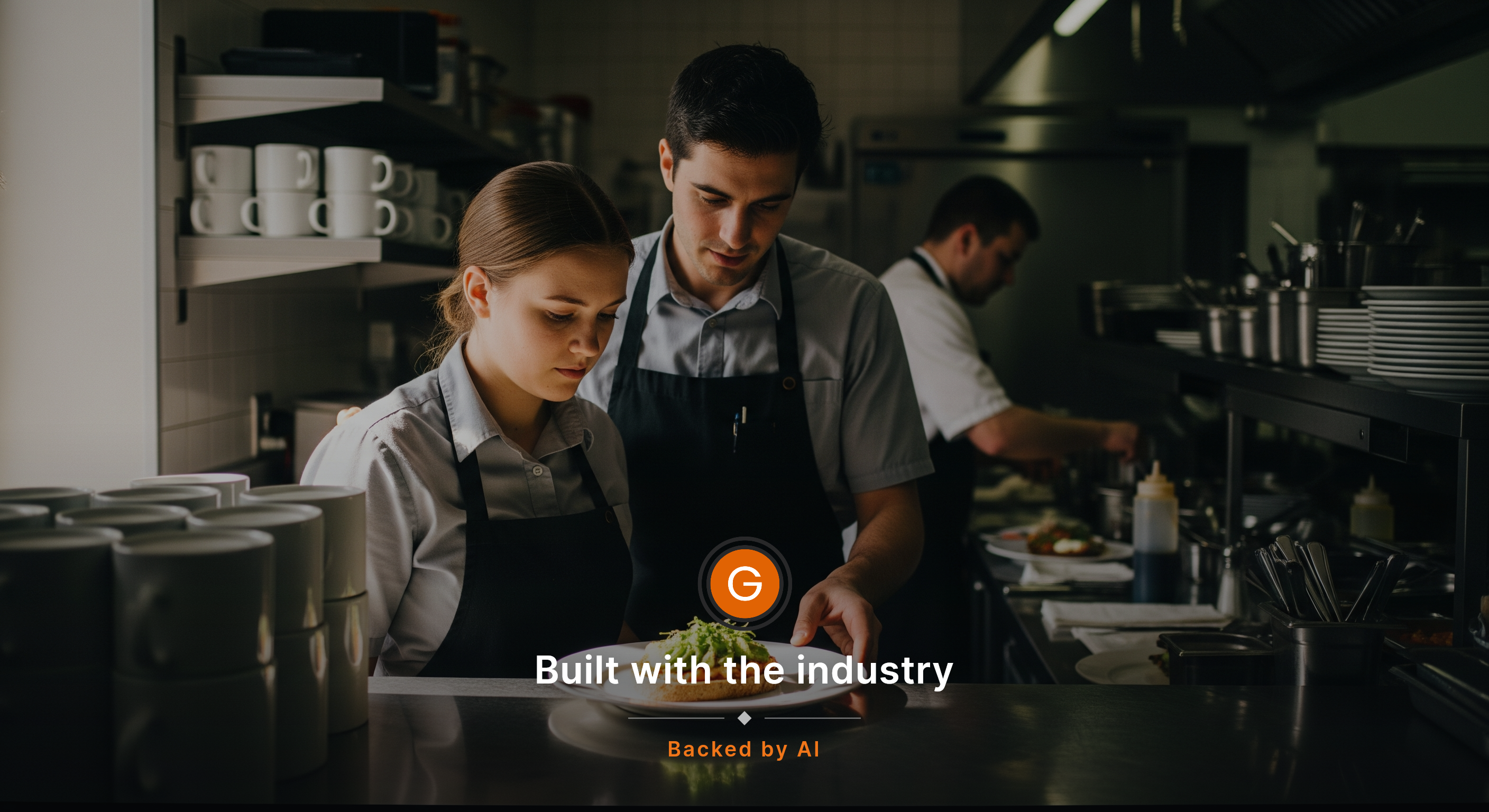
Training
Seasonal menu launches are training tests in disguise. If the floor cannot explain, ring, pace, and recover the item, the promotion adds strain, not sales.