Tech stack
Three Ways to Read a Restaurant Footprint
Restaurant footprints are not one trend. Learn to sort compact, large-room, and hybrid models by the service work each asks teams to carry.
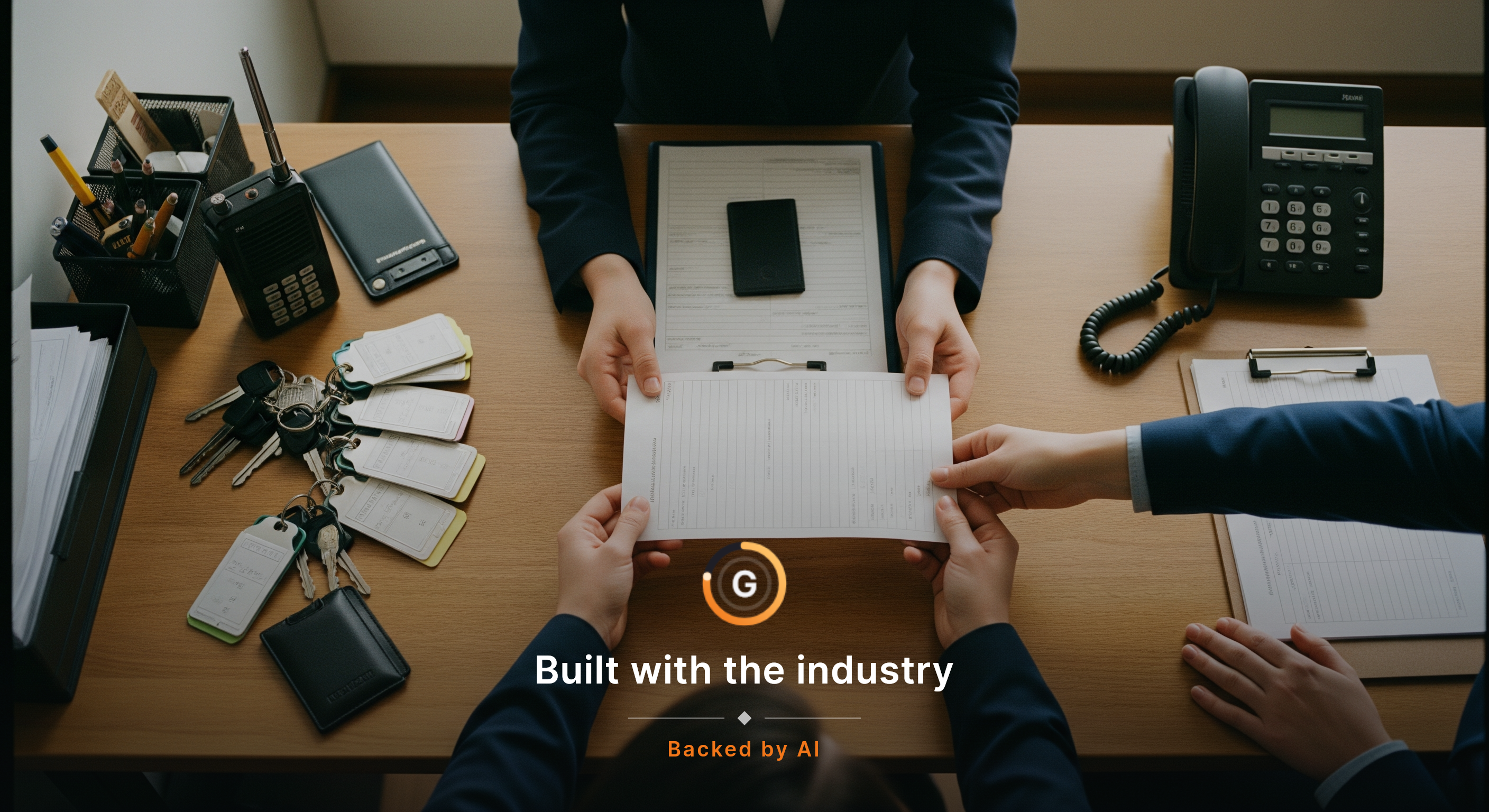
The cleanest properties often hide the messiest conversations. A guest walks into a quiet lobby, gets a key in under two minutes, heads upstairs, and never sees the scramble that nearly happens when housekeeping status, room readiness, and a special request are sitting in three different places.
That gap is getting harder to ignore as hotels add more systems, more vendors, and now more AI promises. The real question is not whether a property has modern software. It is whether the stack reduces operational ambiguity at the exact moments one shift hands work to the next.
A hotel tech stack should be judged by how well it protects the handoff.
That is what stood out in a recent piece in Hospitality Net covering an off-the-record HITEC San Antonio discussion between hotel CIOs and PMS leaders from Oracle, Mews, Shiji, Infor, Apaleo, and HotelKey. The conversation centered on AI, data ownership, integration costs, and the future role of the PMS. Read alongside broader workplace evidence, the operational stakes become clearer. Gallup's 2024 State of the Global Workplace report said managers account for 70 percent of team engagement variance, which matters here because hotels keep asking managers to bridge system gaps manually, in real time, during live service.
That is the part these debates can miss when they stay at the architecture level. On property, integration is not an abstract IT virtue. It is the difference between a front-desk agent seeing that room 814 is inspected and truly ready, or apologizing to a tired family at 4:10 while calling housekeeping on a radio that is already busy. It is the night auditor inheriting notes that make sense, or inheriting fragments, half in the PMS, half in email, half in someone's memory from yesterday.
We have seen this across hospitality in different uniforms. When the visible guest moment breaks, there is usually an invisible handoff underneath it. A missed early check-in request. A VIP amenity that was ordered but not placed. A maintenance block that lived in one system while inventory availability lived in another. The guest experiences one awkward conversation. The team experiences six tiny failures in sequence.
Hotels feel this especially hard because the operating day is built from handoffs. Front office to housekeeping. Housekeeping to maintenance. Sales to banquet. Revenue to reservations. Brand promise to the actual person on the desk at 11:35 p.m. Each handoff asks the same question: did the information arrive in a form someone can act on without rechecking three other places?
Research on frontline technology keeps pointing in the same direction. McKinsey's 2024 State of Tourism and Hospitality argued that travel operators are under pressure to modernize while managing labor constraints and tighter margins. In plain terms, that means the old habit of solving inconsistency with heroic managers gets more expensive every year. A buried rooms manager can cover for a weak process for a while. They cannot do it forever, and they should not have to.
So when PMS leaders debate open platforms, APIs, and AI layers, the practical operator question is sharper than that language sounds. Which daily frictions disappear for the people carrying the shift? Does the morning housekeeping board reflect real departures and stayovers fast enough to trust it? Does the banquets team see rooming-list changes without chasing sales? Can a desk agent spot a service recovery note before repeating the mistake to the guest's face?
If the answer is no, then the property has not bought clarity. It has bought more places for work to hide.
And for frontline teams, this is not a side issue for corporate to figure out later. If you are a room attendant, front-desk agent, night auditor, or banquet captain, you know what a weak handoff feels like in your body. It is the extra trip back to the desk. It is being told a room is vacant and finding luggage still inside. It is walking into a function setup with a last-minute change nobody passed on. Most people in those moments are not failing from lack of effort. They are being handed incomplete information and then judged on speed.
The Hospitality Net discussion matters because it shows senior leaders are finally arguing about the right categories, ownership of data, cost of integration, and whether the PMS stays the center of the hotel system. But the floor test is simpler than the conference-room version. Can the next person do the next thing without a scavenger hunt?
That is also where AI talk needs grounding. AI may help summarize notes, surface exceptions, or predict issues, but prediction is not the same as coordination. A property does not get better because a system can generate insight. It gets better when fewer tasks depend on someone remembering to relay something at the end of a long shift. The unglamorous win is not more intelligence floating above the operation. It is fewer broken baton passes inside it.
Owners and operators do not need perfect architecture to make progress. They need to identify where their guest promise most often gets lost between teams, then ask whether the current stack reduces or multiplies those moments. The answer will usually show up in one repeated scene: check-in, room turns, group changes, maintenance status, or overnight notes. Start there, because that is where software stops being strategy and becomes labor.
Good hotel technology does not impress the guest by being advanced, it protects the guest experience by making the next handoff dependable.
One simple thing to start measuring for the next 14 days is handoff recovery time, how many minutes a team spends correcting information that should have arrived cleanly from the prior person or system. Track it at the desk, in housekeeping, or in banquets. Not to catch people out, but to find where the stack is asking humans to do patch work it should already be doing for them.
Tech stack
Restaurant footprints are not one trend. Learn to sort compact, large-room, and hybrid models by the service work each asks teams to carry.
Tech stack
Hospitality keeps treating slow reporting like a dashboard issue. The truer problem is delayed decisions that land on the floor as harder shifts.
Tech stack
When reservation data lives in too many places, the host stand pays first. One clean system is not convenience, it is shift protection.