When marketing gets clearer, the floor gets steadier
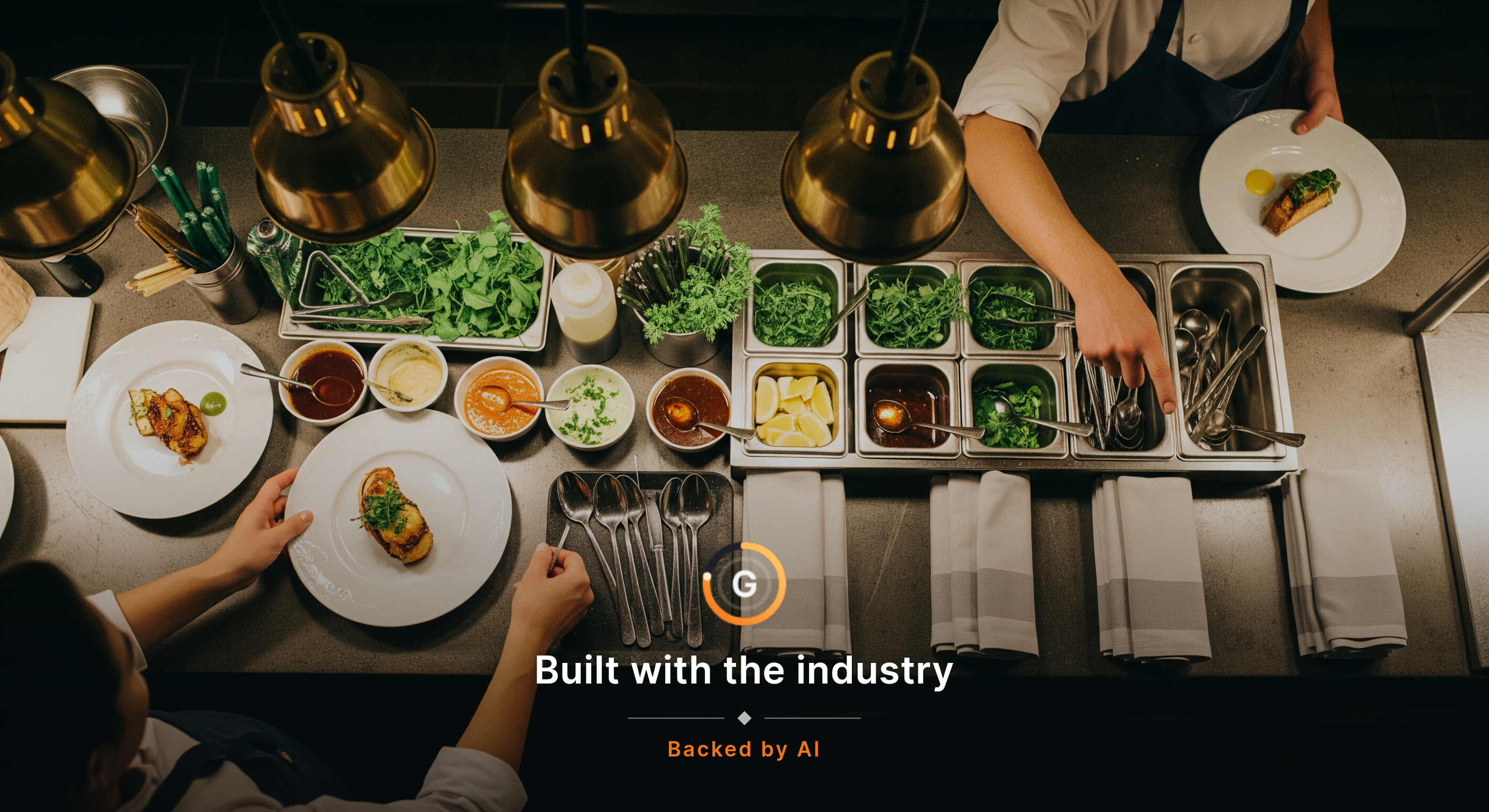
The regular did not complain. She just held the menu a little longer than usual, looked at the server, and said, “I thought the lettuce wraps came with the new sauce now.” It was one table, one small pause, the kind that can turn a calm section into a shaky one if nobody on the floor got the same message guests did.
The server was good. New enough to check, steady enough not to bluff. She stepped to the service station, asked the shift lead, and got two different answers before a kitchen manager settled it. By then, the regular was still smiling, but the room had already paid for the confusion. A promise had reached the guest before it had fully reached the team.
Message discipline is employee engagement in work clothes.
That is why a staffing or engagement lesson can show up in what looks like a marketing story. In a recent piece in FSR Magazine, P.F. Chang’s announced Patrick Benson’s promotion to Director of Marketing Communications, a newly established role tied to a dedicated Marketing Communications function. The reported scope matters: Benson has led social media, influencer marketing, paid social, and community engagement, and the company framed the move as part of building a more modern, integrated communications strategy. That sounds brand-side on paper. On the floor, it lands much closer to labor than many operators admit.
Take that same shift and follow it through. The regular gets her answer. The table is saved. But ten minutes later a two-top arrives asking for a limited-time item they saw online. A host has heard of it, a bartender has not, and a line cook knows the pickup build but not the guest wording around substitutions. Nobody is failing here. The problem is that the guest message, the training message, and the manager message were not carried on the same track.
We tend to talk about engagement like a morale issue, as if the fix lives in pep, perks, or one better pre-shift speech. Some of it is simpler and more operational than that. People feel steady when they know what is true. They stay more confident when they are not asked to absorb guest disappointment for decisions they were never briefed on.
Gallup’s 2024 State of the Global Workplace said managers account for 70 percent of team engagement variance. In hospitality, that often shows up less in lofty leadership language and more in basic translation: did the manager turn the week’s promotion, campaign, event, or menu push into instructions the floor could actually use? If not, the burden slides downhill to the host stand, expo line, bar well, and front desk.
There is another cost here, and frontline teams know it by feel before leadership sees it in data. When public-facing messages outrun internal clarity, the team starts protecting itself. Servers stop speaking confidently about specials. Hosts soften language because they do not want to overpromise. Front-desk agents avoid upsell language they do not trust. A room attendant hears about a VIP setup too late and gets blamed for a miss that started upstream. None of that looks dramatic in a report. It just slowly teaches good people to operate smaller.
A lot of operators have seen this in promotion weeks. The campaign goes live cleanly. Photos look sharp. Traffic lifts. Then 7:15 hits and a new hire is standing at the POS asking whether the bundle includes the add-on, while a guest who came in specifically for that offer waits for certainty. The manager answers one question, then six more. The kitchen hears the wrong modifier twice. A bartender comps something to settle a misunderstanding. By close, everyone says the promotion “drove business,” which is true, but the team also spent the night carrying avoidable friction.
This is where the P.F. Chang’s move is worth taking seriously beyond brand headlines. A dedicated marketing communications function suggests someone is being made responsible for message consistency across channels, not just reach. If that work is done well, the benefit is not only cleaner customer acquisition. It is fewer moments where frontline workers have to improvise truth under pressure.
Toast made a related point from another angle in its 2024 reporting on restaurant turnover, noting that turnover remains persistently high in restaurants and that retention is tied to the day-to-day employee experience, not just hiring volume. Operators usually read that as a staffing warning, which it is. But one slice of that experience is whether a shift feels organized or chaotic, and whether the team is repeatedly exposed to guest confusion they did not create.
For the server at that regular’s table, engagement was not an abstract culture project. It was whether she could answer with confidence, whether her lead backed her with one clear standard, and whether the next guest would hear the same thing online, at the door, and at the table. For the line cook, it was whether the board filled with clean, expected orders or with a pile of corrected ones. For the host, it was whether the greeting came with certainty or with a warning that “we’re just checking on that.”
If you are on the frontline, this part matters too: your frustration in those moments is not pettiness. It is the nervous system reaction to doing public-facing work without stable information. When you feel your shoulders go up because a guest mentions something you never heard about, that is not a personal weakness. That is what operational disconnect feels like in the body.
So the lesson is not that every restaurant needs a new title on an org chart. It is that guest communication and team communication cannot be treated as separate jobs. The guest promise is part of the shift setup.
A sharper version of the same truth is this: every external message becomes a labor decision the moment a guest walks in expecting it.
If there is one thing to start measuring, make it this: for the next 14 days, track every guest question that starts with “I saw” or “I thought” and ends with a staff check-back. Count them by shift. You will learn very quickly whether your communication problem lives in marketing, training, management handoff, or all three at once.