Farm Charm Works When the Back of House Can Carry It
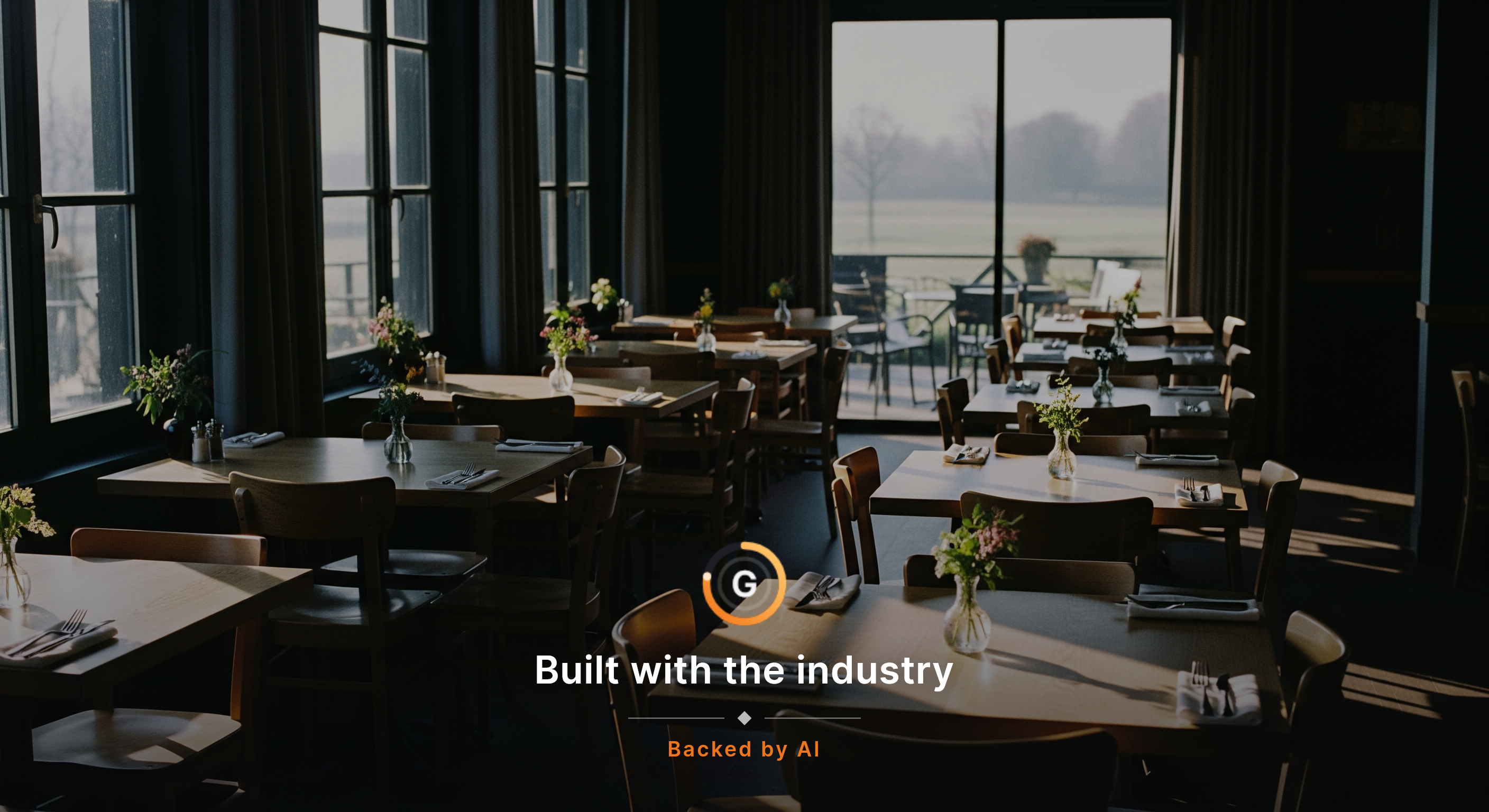
Across hospitality, we keep seeing beautiful concepts get asked to do the work of broken operations. The room photographs well, the menu language is thoughtful, the guest promise is clear, and then the third stay, the second seating, or the rainy Tuesday exposes whether the team was actually set up to deliver it.
That matters now because experience-led design is getting sharper, more specific, and more marketable. In a recent piece in Hospitality Net, the publication draws on Expedia Group's Unpack '26 report to show how "Farm Charm" properties are building demand around natural materials, seasonal food, and a fuller sense of connection to place. Experience design only becomes real hospitality when operations can repeat it under pressure.
Hospitality Net is right to focus on the details that guests feel, from landscape cues to table settings to seasonal menus. Guests do respond to that kind of coherence. McKinsey's 2024 article The state of tourism and hospitality 2024 argued that travel demand remained strong while travelers kept prioritizing experiences and value, which means the promise attached to a stay or meal matters more, not less. But once an operation sells a mood, it has also created a job: someone has to maintain that mood at 6:10 a.m., at 4:40 p.m., and after the second callout.
That is the part the trade sometimes underweights. A farm-driven property, cafe, inn, or event venue does not just need taste. It needs repeatable judgment. The flowers cannot be dead by check-in. The seasonal menu cannot depend on one cook who knows how to use the produce properly. The front desk agent cannot be guessing whether late-arrival guests still get the cider setup or whether that quietly disappeared three weekends ago. The server cannot be learning tableside, in real time, which local producer names are on-message and which items eighty-sixed at pre-shift but never made it to everyone else.
When operators talk after service, this is usually where the frustration lives. Not in the idea. In the drift. The brand says hand-thrown ceramics, local jam, garden walks, warm wood, low-key luxury. The shift says the opener borrowed ramekins from banquets, the room attendant found three different amenity setups across six arrivals, and the night manager had to explain why the firepit was dark because no one owned the close on propane. None of that means the team does not care. It usually means the concept got built faster than the operating system underneath it.
There is a wider labor reason this matters. Gallup's State of the Global Workplace has repeatedly found that managers account for 70 percent of the variance in team engagement. In practice, on the floor, that often means clarity. Who resets the porch after weather turns. Who updates the menu script when the farm delivery changes. Who checks whether the natural-fiber throw in room 12 is clean, missing, or sitting in laundry because it looked decorative enough that nobody put it on a par sheet. If the answer to those questions lives in one strong manager's head, the guest experience is fragile.
For operators, the hard truth is that concept-rich hospitality usually asks more of frontline memory than the budget acknowledges. A straightforward limited menu and standard room package can survive some inconsistency. A detailed, place-based experience cannot. The more you sell atmosphere, provenance, and touchpoints, the more your standards have to be teachable in plain language. Not poetic brand language. Actual working language. Which lamp gets turned on before dusk. Which playlist belongs to breakfast versus late evening. Which table gets the herb clipping. Which check-ins get the orientation walk and which get a shortened version when arrivals stack up.
And for the frontline, this part matters too. If you are a host, server, front desk agent, housekeeper, bartender, or banquet lead working inside one of these polished concepts, your stress is often not a personal failure. It is what happens when the operation asks you to carry dozens of unspoken details with no stable way to learn them. The feeling of being "bad at the vibe" is often just missing process. Good teams can absolutely create warmth, judgment, and grace. But they still need named standards, clean handoffs, and permission to ask, "Are we all doing this the same way?"
The operational lever here is not more branding. It is fewer ambiguous moments. If the property wants the scent of cedar in the lobby, the blanket folded a certain way, the breakfast story tied back to the land, and the grounds to feel calm from arrival to dusk, then each of those details needs an owner, a frequency, and a fallback. Owner means a person or role. Frequency means when it gets checked. Fallback means what happens when the product does not arrive, the weather turns, the occupancy jumps, or the one person who usually nails it is off today. That is how charm survives contact with a real week.
We have seen too many hospitality teams handed a concept deck when what they needed was a living standard. The prettiest experiences in this business do not hold because everyone tries harder. They hold because the operation decided, in advance, what must be true every time.
Try a two-minute test today. Walk one guest path, from parking lot to room, host stand to table, or gate to event space, and count how many moments depend on memory instead of a named standard. If you find three or more before you reach the endpoint, the problem is probably not your team's effort. It is that the concept has outrun the system that is supposed to carry it.