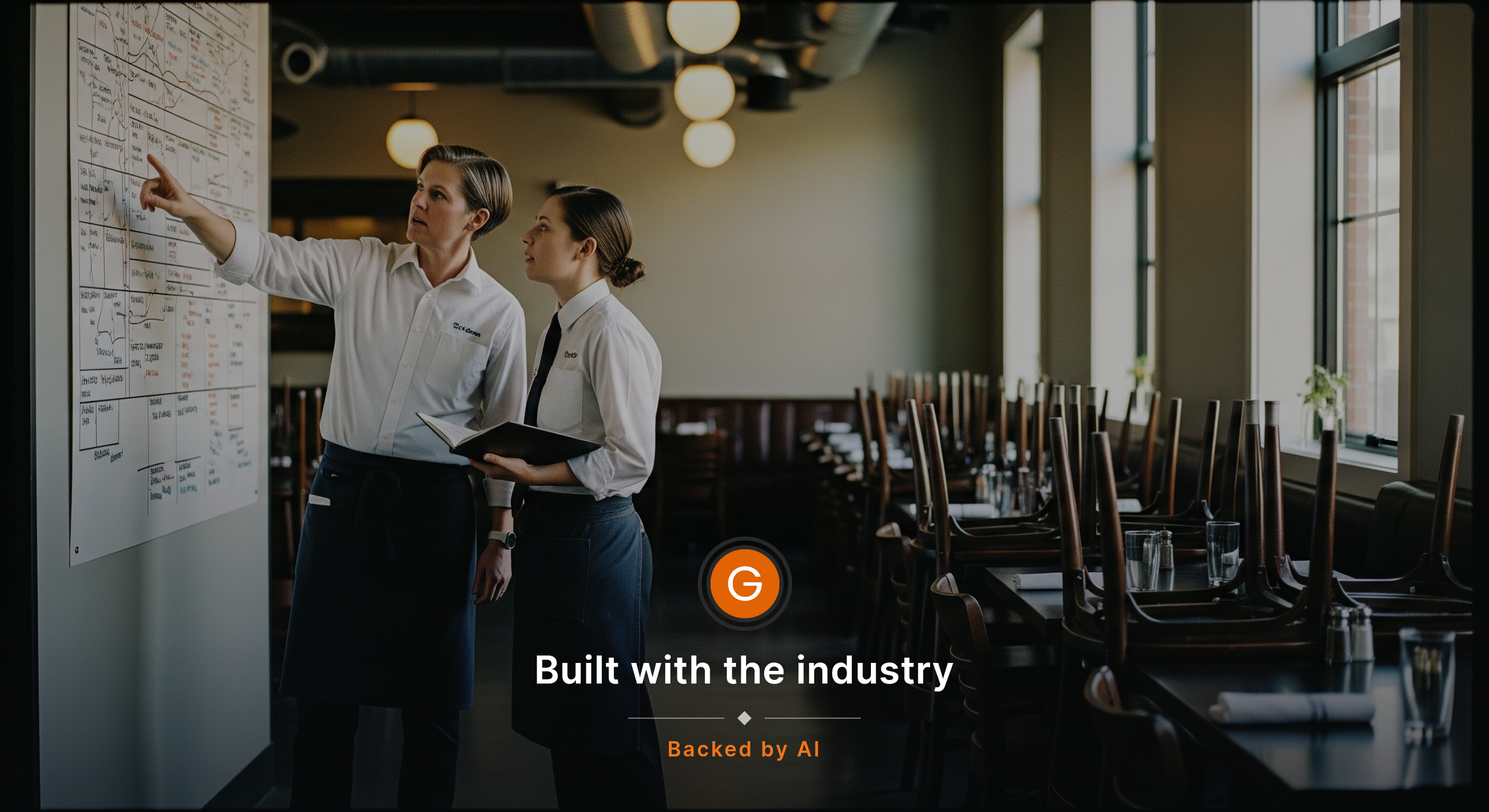
Industry trends
When an Industry Speeds Up, Restaurant Systems Have to Keep Up Too
As sectors like India's auto components industry speed up, restaurants face the same test: growth only holds when training, staffing, and standards move with it.
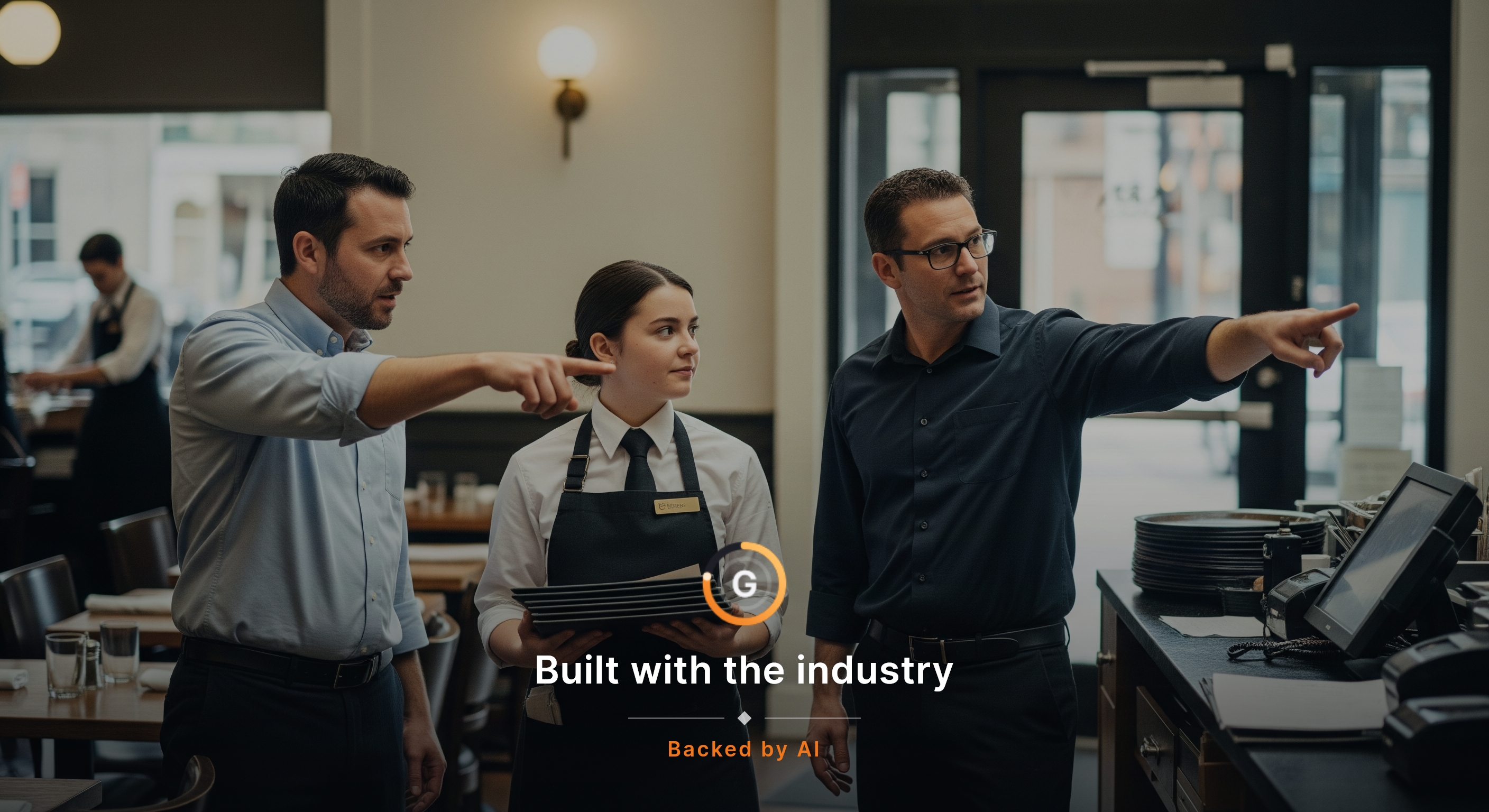
We have all seen the promising hire in week two, still moving carefully, still checking which opener owns the tea station or who is meant to clear the patio section before lunch. They are trying hard. What wears them down is not effort, it is walking into a place where everyone says the brand is strong but nobody can explain the job the same way twice.
One piece of received hospitality wisdom says culture is what scales a business. The truer read is different, and the evidence is getting harder to ignore. Operational clarity is what lets culture survive growth.
That is the part we kept coming back to while reading a recent piece in Nation's Restaurant News on takeaways from the CREATE conference, where emerging brand leaders talked about expansion, discipline, and the need to keep teams aligned as concepts grow. The article points at a familiar truth in 2024 restaurant growth conversations, brands want to move fast, but the work gets fragile when standards depend too much on a few strong personalities.
There is strong backing for that. Gallup's State of the Global Workplace report has repeatedly tied the employee experience to the manager relationship, and its 2024 edition says managers account for 70 percent of the variance in team engagement. That matters in hospitality because growth usually multiplies handoffs before it multiplies leadership depth. And McKinsey's 2023 research on performance through people found organizations that invest in people management practices are more likely to outperform peers, not because morale is a soft extra, but because execution gets more reliable.
That is where the usual growth story can drift off course. We hear, "protect the culture," and everyone nods because it sounds right. But culture is not a substitute for a clean prep list, a consistent close, a training sequence that does not change with each trainer, or a promotion standard people can actually name. If the opening manager says run breaks one way, the dinner manager says another, and the GM fixes labor by cutting the newest person first every slow Tuesday, staff do not experience that as culture. They experience it as instability with nice language wrapped around it.
In real operations, this shows up in very plain moments. A new host is told to "own the door," but nobody defines when they can quote a wait, when they should ask for help, or who handles the party that arrives forty minutes early. A line cook gets praised for hustle, then gets three different answers on plating from three different trainers. A housekeeper or room attendant gets told quality matters most, then loses hours because the board changed after lunch. None of those people need a speech about values. They need a system they can trust on a Wednesday as much as on a Saturday.
What the Nation's Restaurant News piece gets right is that growth forces brands to decide what really matters. Our read is that the decision is less about protecting a vibe and more about protecting shared operating truth. When one location can absorb a strong operator's instincts, that can look like healthy culture. When five or fifteen locations depend on the same instinct, the cracks start showing. The bad Friday is no longer just a bad Friday. It becomes a training method, then a scheduling habit, then a turnover pattern.
That pattern is expensive. The U.S. Bureau of Labor Statistics showed leisure and hospitality job openings remained elevated through 2024, a sign that hiring pressure did not disappear just because demand got uneven. In its Job Openings and Labor Turnover Survey, the sector continued to report high churn relative to many other industries. Operators already know what that feels like without reading a table, the cook who started in February is gone by April, and now the station lead is training again instead of dialing in service.
For frontline teams, this matters because unclear growth plans usually land on your body first. You are the one covering the section that got added without support. You are the one hearing, "this is not how we do it," after nobody taught you how they do it. If you are the new host, the bartender on a doubled rail, the breakfast attendant with a fresh trainee beside you, confusion is not a character test. It is a management problem that should be named honestly.
For operators, the hard question is not whether your culture is strong. It is whether a new hire can learn your standards from the operation itself, without needing the one superstar manager who keeps the whole place stitched together. Can a supervisor explain break rules the same way across shifts. Can someone picking up a station know what done looks like before the rush. Can a promotion to keyholder, shift lead, or front office supervisor be described in behaviors, not just trust and gut feel.
None of this makes culture less important. It makes culture more concrete. Pride on a hospitality team does not come from posters or founder language alone. It comes from the clean open, the fair cut, the trainer who teaches the same sequence every time, the handoff that saves the next shift instead of surprising it. Teams stay longer when the job stops changing shape under their feet.
Operational clarity is not the opposite of culture, it is the condition that keeps culture from collapsing under growth. This week, pick one role that turns over often, host, room attendant, server, line cook, front-desk agent, and ask three different managers to explain the top five standards for that job. If the answers do not match, that is the work.