Hiring & retention
Retention starts before day one, in the system people walk into
Guests see a calm stay. Teams feel the hiring, scheduling, training, and handoff systems underneath it. Retention starts before day one, not at exit.
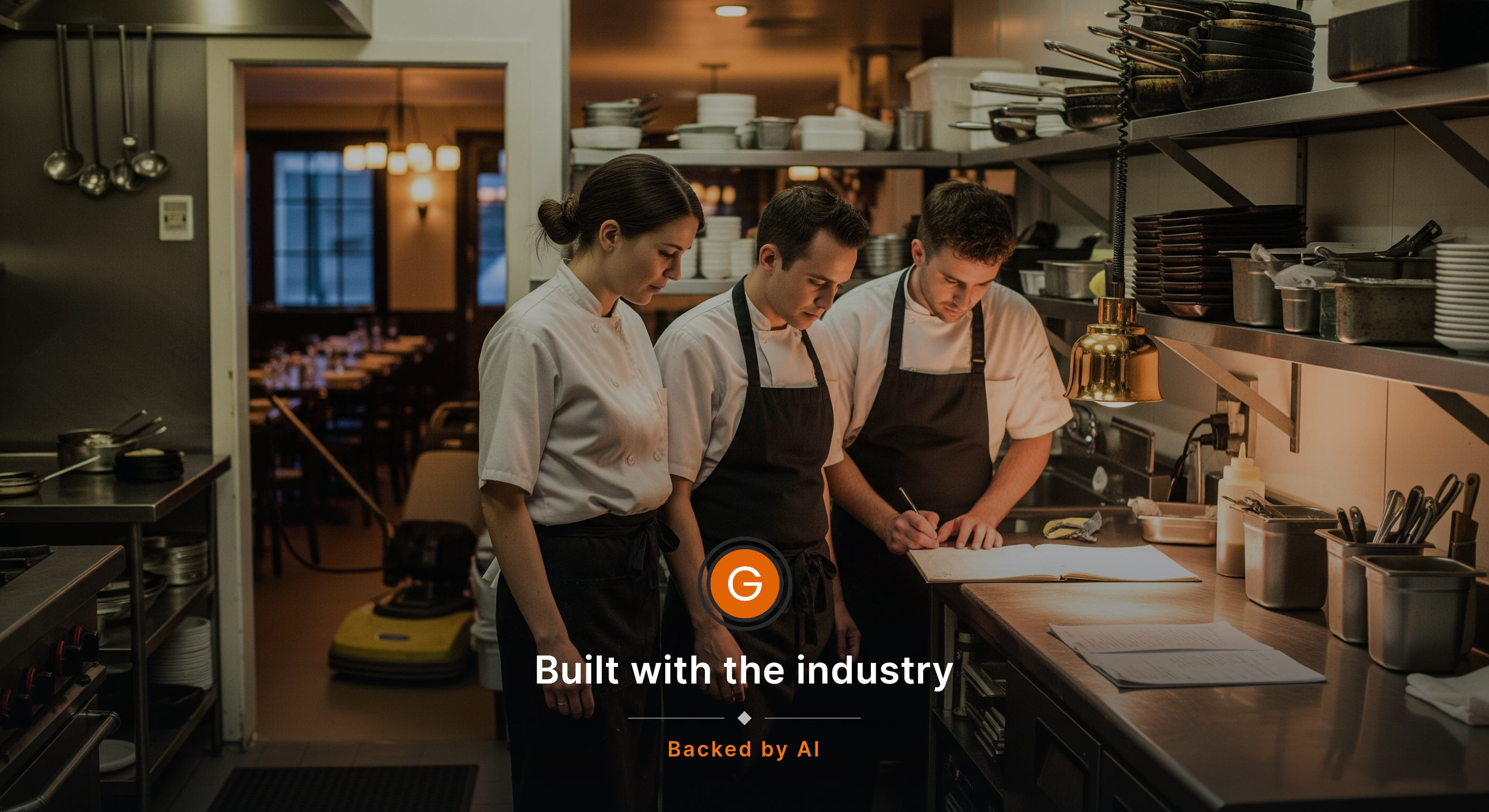
After close, somebody is still standing by the expo line with a marker in hand, staring at a prep list that got rewritten twice before dinner and ignored by dessert. Nobody is yelling. That is usually the tell. The room is quiet, people are folding towels, and you can feel a team getting tired in a way that has nothing to do with how many covers came through the door.
A lot of restaurants think they have a retention problem when what they really have is a change-load problem. The pace of new menus, new service rules, new ownership expectations, new tech, and new staffing patterns has outrun the floor's ability to absorb it. Unmanaged change is a retention problem.
A recent piece in MIT Sloan Management Review put language to something a lot of operators already know in their bones. Writing about CareRx's growth through acquisitions, the article described a company that tripled its business in 20 months and ended up with teams "under the same roof not speaking the same language." That line lands in restaurants because we have all seen a smaller version of it, two managers training two different standards, one location buying a new system before the other, one opening lead saying side work is nonnegotiable while the next lets it slide because they are just trying to get through service.
This matters because people rarely quit only because the work is hard. Restaurant work has always been hard. They quit when the rules keep moving and nobody translates what changed, why it changed, who owns it now, and what good looks like tonight. Gallup's State of the Global Workplace report has repeatedly shown that managers account for 70 percent of the variance in team engagement. On the floor, that does not read as a leadership slogan. It reads as whether pre-shift makes sense, whether Friday's new close is still Sunday's new close, and whether the day-three host gets one answer instead of three.
The part the trade does not always say out loud is that constant change creates the same symptoms as bad hiring. People look checked out. Standards get spotty. A strong server starts missing small things. The line cook who used to call backs clearly now just keeps their head down and cooks their station. The new hire who seemed sharp in week one looks shaky by week three, not because they cannot do the job, but because the job keeps changing shape around them.
That is where retention gets misread. We say, "People do not want to work," or, "Managers are not holding the line," when the system is flooding everybody at once. In hospitality, change rarely arrives one item at a time. It stacks. The patio opens. Brunch starts. The ordering flow changes. Happy hour comes back. The chef updates the pickup standard. Two senior servers leave. A new supervisor is learning payroll and floor cuts at the same time. None of those moves is unreasonable on its own. Together, they can make a solid team feel like it is working in a place that keeps breaking its promises.
Research outside the trade backs that up. McKinsey's 2023 article Burnout is about your workplace, not your people argued that burnout is driven less by individual weakness than by workplace factors such as unclear expectations, lack of support, and unreasonable demands. Restaurants know this firsthand. A cook can survive a brutal Mother's Day if the calls are clear and the team is locked in. The same cook can be done by a random Thursday if the pars changed, the prep sheet changed, the ordering changed, and nobody mentioned any of it until things started going wrong.
So what does this look like in real service? It looks like the host stand getting blamed for a seating mess that started with a changed table map no one reviewed. It looks like the bartender being told to push a new cocktail with no tasting and no shorthand for selling it. It looks like one closer staying an extra 40 minutes because the side work chart was updated in a group chat half the team never saw. It looks like a good AGM spending the whole shift doing translation between ownership, kitchen, and floor, then going home feeling like the problem is their own stamina.
The lever is not to stop changing. Restaurants have to change. Costs move, traffic patterns move, neighborhoods move, teams move. The lever is to pace, sequence, and translate change like it is part of operations, not a note added on top. If something changes this week, decide three things before it hits the floor. What exactly is changing. Who needs to know before service. What behavior proves it actually landed. Not what message got sent, what behavior showed up.
And this part is for the floor, not just ownership. If you are the server who keeps getting three versions of the standard, or the host who was promised 32 hours and scheduled 18 while also being told to "take more ownership," your confusion is not a personal failure. If you are the line cook trying to work clean while prep, pars, and pickup rules keep getting adjusted midweek, your frustration is not softness. Most people can carry a lot. What wears them down is carrying ambiguity while being judged as if the rules were clear.
For operators and managers, the weekly fix is plain. Pick one active change, not six. Put it into one written sentence. Review it in person before service. Have one person own questions on shift. Then check after close where it actually broke. That is not lowering standards. It is how standards survive contact with a real dining room.
People do not leave only because the work is hard, they leave when the work stays hard and the system stays unclear. This week, before adding one more initiative, ask a simpler question at lineup: what changed, who knows it, and how will we know it held through service?
Hiring & retention
Guests see a calm stay. Teams feel the hiring, scheduling, training, and handoff systems underneath it. Retention starts before day one, not at exit.
Hiring & retention
A regular guest can spot the difference between a staffed floor and a stable one. Retention starts in the first week, and the clues show up fast.
Hiring & retention
A restaurant can feel like the neighborhood's living room, but only if the people running it can stay long enough to make that feeling real.