A Schedule Is Part of the Promise
Scheduling
A Schedule Is Part of the Promise
A guest can feel the difference when a restaurant’s schedule protects the people carrying its standards, stories, and small moments of care.
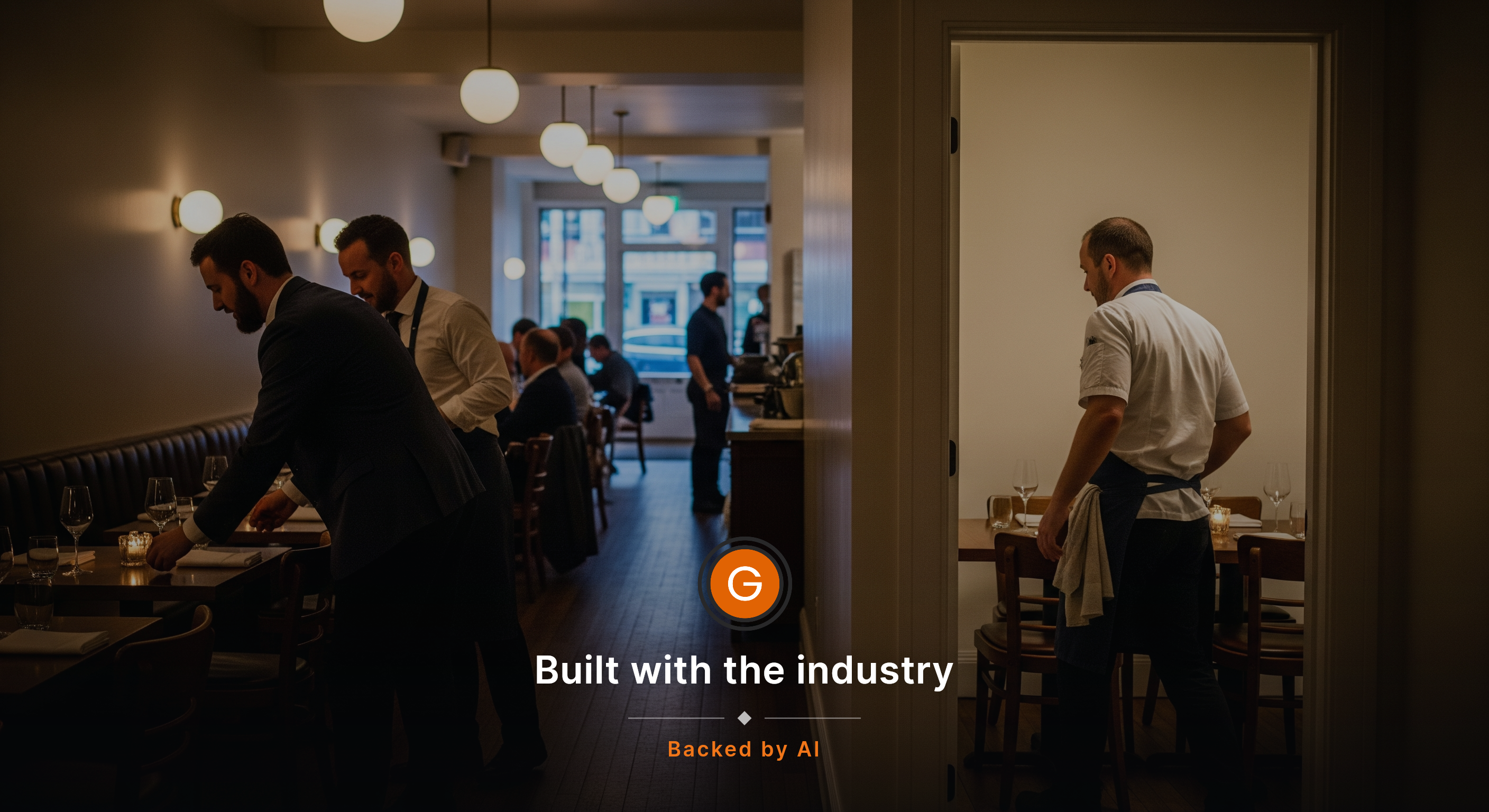
By midafternoon, the room can still look calm enough to fool you. Chairs are straight, fish is cut, glassware is polished, and somebody in the office is staring at a schedule that technically works. Then one callout, one late delivery, one private event stuffed too close to service, and the whole night starts borrowing time from people who were already fully booked.
That is what scheduling misses when we treat it like a labor grid instead of an operating plan. Scheduling is part of the guest experience.
A recent piece in FSR Magazine highlights Omakase Kyara Sake Bar running three beginner sushi-making classes for International Sushi Day, each limited to four guests and slotted from 10 a.m. to noon, 1 p.m. to 3 p.m., and 4 p.m. to 6 p.m. That detail matters. Three small sessions in one day, led by the chef, inside a private dining room, is not just an event concept. It is a scheduling decision with consequences for prep, recovery time, staffing, and the handoff into regular service.
And that is where the real story lives for operators. Not in whether an event sounds good on Instagram, but in whether the day is built so the team can execute it without dragging the cost into dinner.
Toast's restaurant turnover reporting has cited that the hospitality industry has some of the highest turnover in the U.S. economy, and the reason is not hard to recognize from inside a restaurant. People do not just burn out from busy nights. They burn out from unstable systems, from being scheduled for one job and asked to cover three, from finding out too late that an "extra event" actually wiped out their prep window, break, or training time. On the broader management side, Gallup's State of the Global Workplace report has repeatedly shown that managers account for most team engagement variance, a reminder that the way work is organized lands directly on whether people can do good work consistently.
On the floor, this shows up in very ordinary ways. The host is told there is a class in the private room, but nobody tells them whether those guests arrive through the main door all at once. The prep cook loses an hour helping plate samples and now starts dinner setup already behind. The chef who teaches the class is still answering beginner questions at 5:58 while the first reservation for regular service is walking in. The bar thinks it has a quiet late afternoon, then gets hit with class attendees ordering one more drink before heading out, right as dinner tickets begin.
None of that means the event was a bad idea. It means the schedule had to carry more than labor percentages. It had to carry energy, focus, reset time, and role clarity.
That is the lever a lot of restaurants still underrate. Good scheduling is not only about putting enough bodies on a shift. It is about protecting transition points. The hour before an event. The 20 minutes after it. The reset of a private room. The debrief with a green server who got dropped into unfamiliar traffic. The prep block that cannot be stolen without someone paying for it later.
When restaurants get this right, guests usually never notice. They just feel a room that is settled. They get greeted by someone who knows where to place them. Their nigiri lands like it came from a team in sync, not from a team sprinting to recover a lost half hour. The private event feels intimate, and dinner still feels composed. That kind of calm does not happen because the staff "hustled harder." It happens because the day was paced honestly.
And to the people actually working the shift, this matters even more than it looks from the office.
To the host, a clear schedule means you know when the room turns over and when it does not. You are not left improvising explanations to waiting guests while trying to read panic on other people's faces. To the line cook, it means your prep list is real, not fiction that gets erased by a side project no one staffed for. To the server, it means you are not walking into a floor plan that changed twice since yesterday and pretending that is normal. To the manager, it means fewer apologies, fewer emergency texts, fewer moments where the only available move is asking the same reliable person to stay late again.
There is pride in pulling off a complicated day. We all know that feeling. The private class ends on time. The room gets flipped clean. Family meal happens. The first dinner push arrives and nobody is drowning yet. That is good work. But we should be honest about what made it possible. Not heroics, not vibes, not luck. Somebody built a schedule that respected the real shape of the day.
The hardest version of scheduling is not the easy week. It is the week with an event, a training gap, one cook on restricted hours, two people asking for time off, and a manager who is already covering interviews and invoices. That is exactly why the standard has to be simple. If the schedule creates hidden work, it is unfinished. If it protects prep, transitions, and communication, it has a chance.
The sharper truth is this: guests feel your schedule long before they ever see your floor plan. This week, pick one daypart that always gets messy, an event handoff, a lunch-to-dinner turn, a host change at 4 p.m., and add one protected reset window to the schedule on purpose. Even 20 honest minutes can save a whole night from becoming expensive chaos.
Scheduling
A guest can feel the difference when a restaurant’s schedule protects the people carrying its standards, stories, and small moments of care.

Scheduling
GLP-1 demand is changing what guests order, but the real pressure lands on prep, station timing, and labor. Scheduling has to follow the plate.