Hospitality
Bad demand stories create bad labor nights
When operators price from narrative instead of live demand signals, the damage reaches staffing, handoffs, and guest experience. A two-minute test helps.
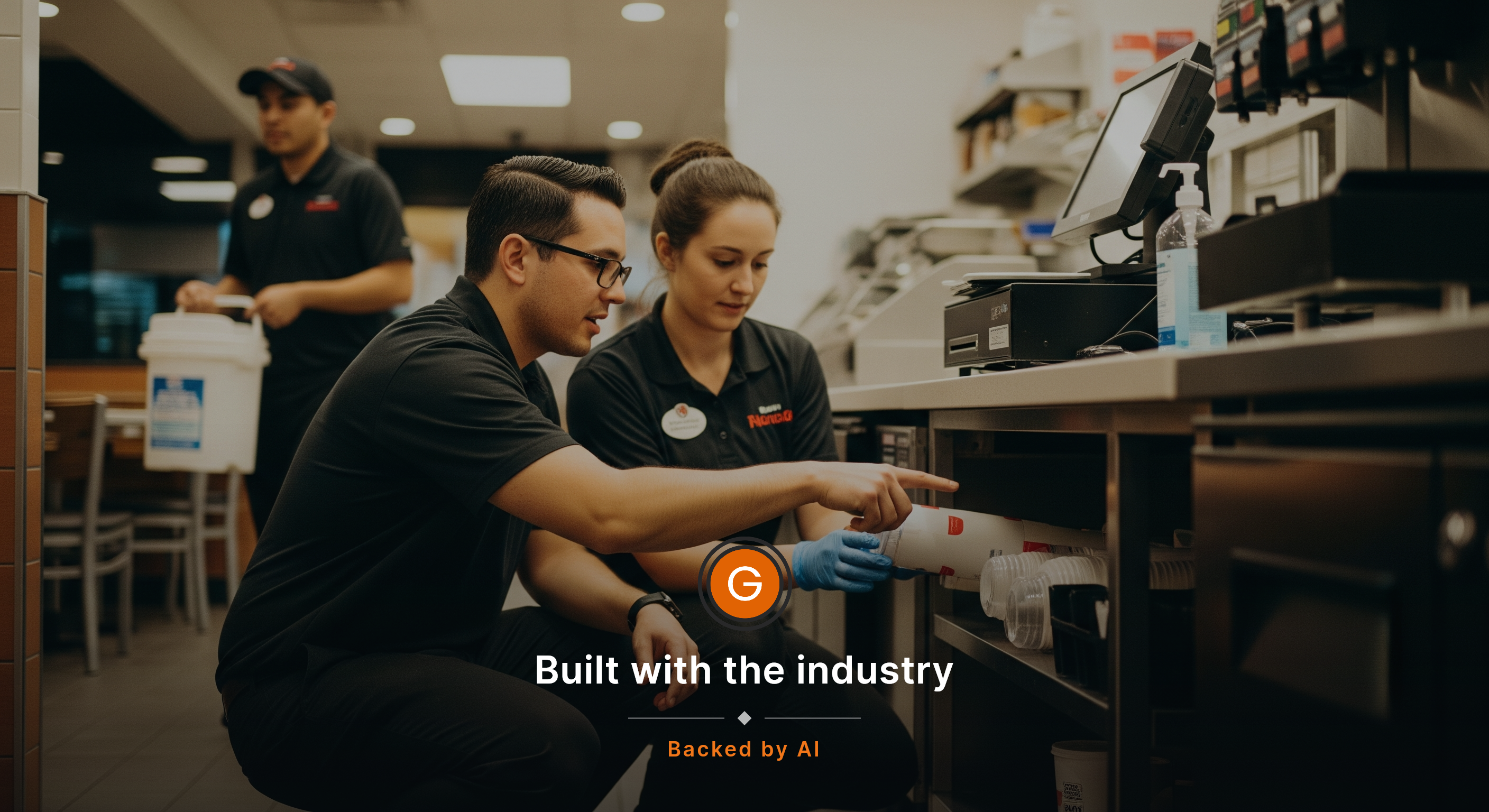
The keys finally turn, the lights come up, and the room still smells like fresh paint. Someone is unwrapping smallwares, someone else is hunting for the extra sanitizer bucket, and a new shift lead is trying to remember which fridge got stocked first yesterday. On paper, it is an opening. On the floor, it is still a rehearsal pretending to be service.
That tension is getting sharper as brands keep pushing growth and operators keep carrying tighter labor, thinner margins, and less room for messy starts. The money may be tied to getting the doors open, but the real cost shows up after the ribbon is cut. An opening is only successful when the floor is ready to repeat the day after opening day.
A recent piece in Nation's Restaurant News reported that Dairy Queen is offering franchisees $150,000 in cash if they open a new Grill & Chill location on time. That is a clear signal about what matters to a growing brand, speed, certainty, and getting units live when planned. It also lands in an industry where the operating backdrop is still rough. The U.S. Bureau of Labor Statistics JOLTS release for March 2026 showed accommodation and food services with 892,000 job openings, which is not a small staffing wrinkle, it is the daily condition many openings walk into.
None of this makes the incentive irrational. If you run a system with franchisees, lenders, contractors, and development targets all stacked on each other, late openings are expensive. Everyone in this trade understands that date moves have a body count. Rent starts. Training calendars slide. Managers burn days in half-finished spaces. A delayed opening can eat cash before a single guest sits down.
But there is a difference between rewarding speed and mistaking speed for readiness.
That difference lives in very ordinary places. It lives in whether the host stand knows what to do when six cars arrive at once and half of them are families ordering ice cream only. It lives in whether the kitchen has actually run a full-volume mock service, not just a neat one at 2 p.m. with three friendly staff meals on the board. It lives in whether the opening manager can teach, correct, and still keep the line moving when the fry station gets buried and the headset starts chirping at the same time.
On opening week, the floor does not break in grand strategic ways. It breaks in tiny repeated ways. The sauces are in the wrong reach. The new cashier does not know who owns remake decisions. The dining room gets wiped, but nobody has said who checks bathrooms every 30 minutes. A green hire gets double-sat at the counter, freezes, and then spends the next hour apologizing for a system problem that should never have landed on one person.
That is why the most important opening work is usually the least glamorous. Not the press photo. Not the first transaction. The boring stuff. Station maps. Pars that match actual volume. A pre-shift where somebody says, clearly, who is floating and who is planted. A closing note that does not just say what failed, but who owns the fix by tomorrow at 10 a.m.
Research backs up what most operators already feel in their bones. Gallup's State of the Global Workplace report has repeatedly argued that the manager shapes team performance more than most companies admit, and its 2024 findings again tied manager experience directly to engagement and wellbeing. On an opening, that truth gets louder. A strong opening manager can turn a shaky room into a stable one in two weeks. A weak opening manager can make a fully funded launch feel cursed by day four.
For owners and operators, the hard question is not just, can we open on time. It is, what are we paying people to absorb in order to say we did? If the answer is three 13-hour days for the same two managers, rushed training for the host team, and cooks learning the line from each other mid-service, then the floor is subsidizing the schedule. That bill comes due fast, usually as turnover, guest inconsistency, and a second month that feels older than it should.
For the floor, especially if you are opening a new store and everybody keeps saying this is exciting, it is fine to name what is actually happening. Exciting and underbuilt can be true at the same time. If you are the line cook who started in February and is being asked to train two more people by Friday, that strain is real. If you are the host on day three being told to smile through a system nobody explained, that is not a personal failure. If you are the shift lead trying to hold standards together while still learning where backup lids are stored, you are not imagining the chaos.
What helps is not heroics forever. It is fast clarity. One owner doing a 15-minute reset after lunch and assigning bathroom checks, headset coverage, expo calls, and break order with names, not vibes. One kitchen lead marking the six most common modifier mistakes and drilling them before dinner. One manager admitting the drive-thru handoff is too loose and tightening it tonight instead of pretending training is complete because opening day already happened.
There is pride in a clean open. There is real pride in taking a bare room and making it feel like a place guests can trust. But the trade should be honest about what deserves celebration. The first open door is not the finish line. The first ordinary Tuesday that runs clean is.
In restaurants, growth only counts when the work is stable enough to survive the next shift. This week, if you are opening, reopening, or rolling out anything new, pick one repeatability check and run it every day for five days, pre-shift roles, remake authority, bathroom cadence, drive-thru handoff, anything that keeps one avoidable problem from becoming the night's mood. That is how an opening becomes an operation.